



Support Cognitive Health Through Nurturing Care
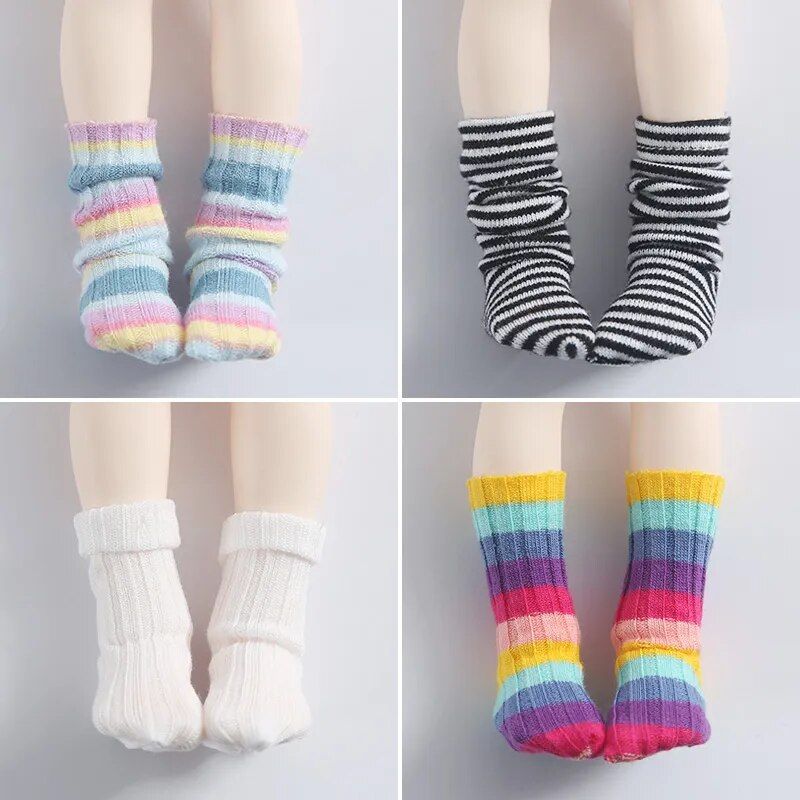
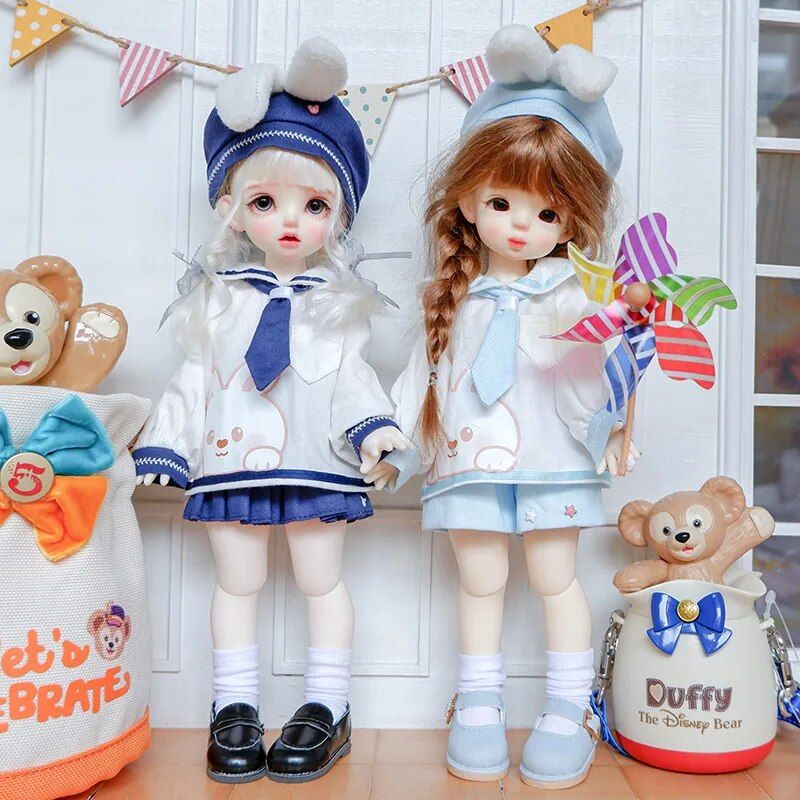
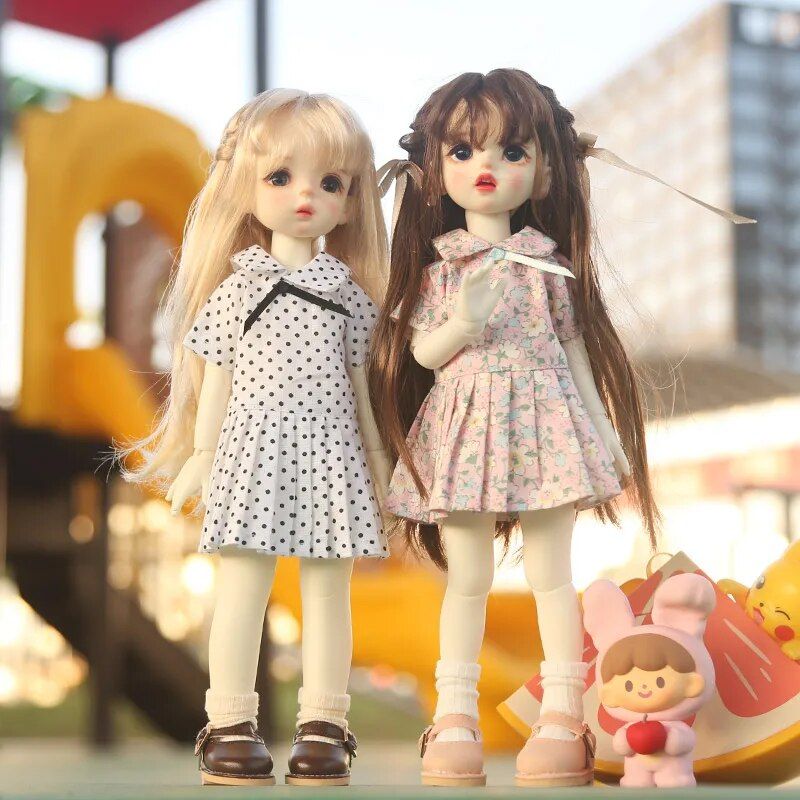
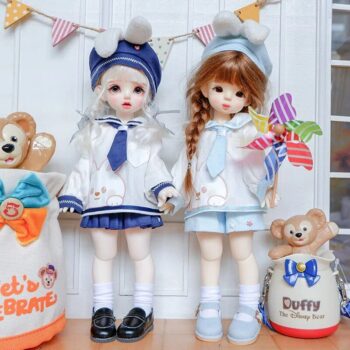
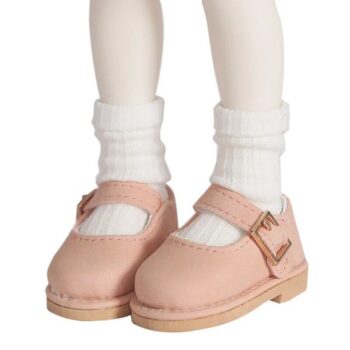
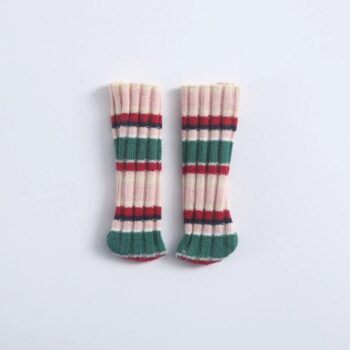
Enhance the therapeutic experience of doll therapy with our Precision Dexterity Socks. Specially sized for 1/6 scale therapy dolls, these socks turn the daily routine of “dressing” into a purposeful cognitive and physical exercise. For individuals living with dementia, managing small items like doll socks provides a sense of accomplishment and a gentle way to maintain the hand-eye coordination used in everyday self-care.
Key Features for Therapy & Engagement
-
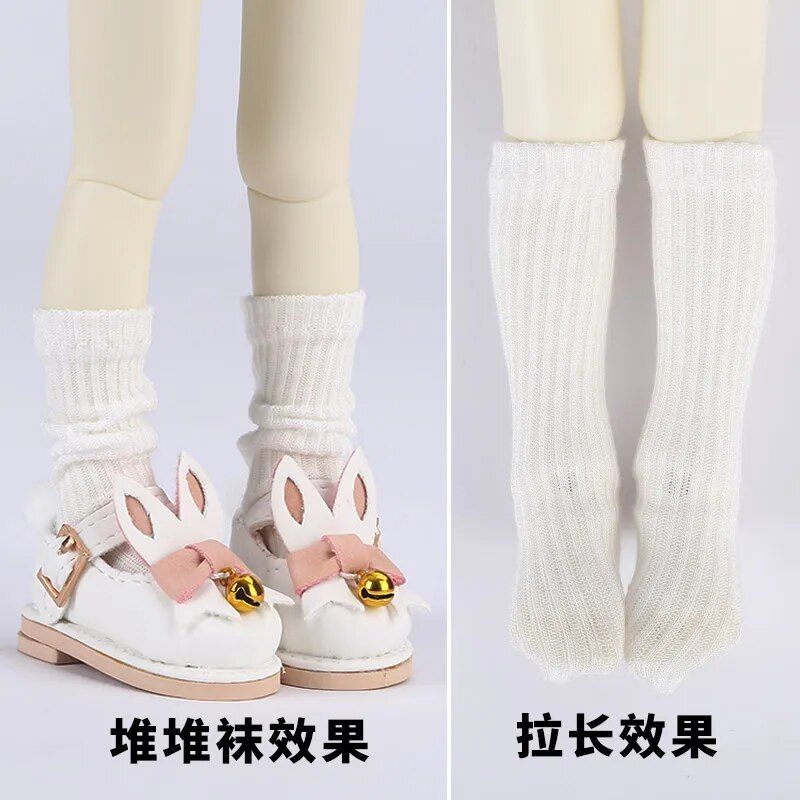
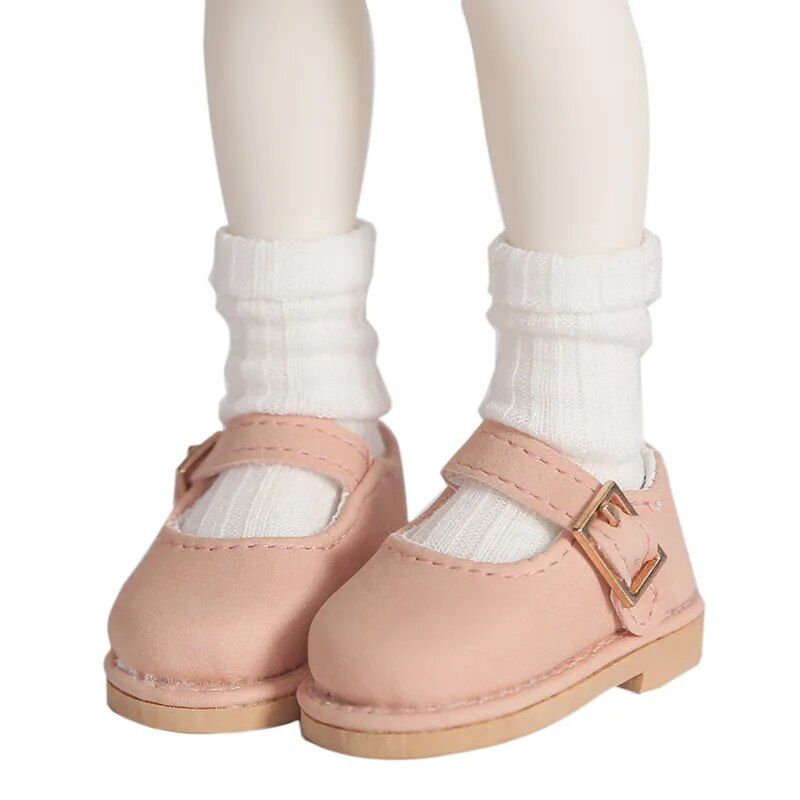
Designed for Therapy Dolls: Tailored specifically for 1/12 form and 1/6 scale figures, providing a snug fit that encourages focused finger movement.
-
Fine Motor Skill Maintenance: Putting socks on a doll requires a “pincer grasp” and steady hand-eye coordination—key skills for maintaining independence in dressing and eating.
-
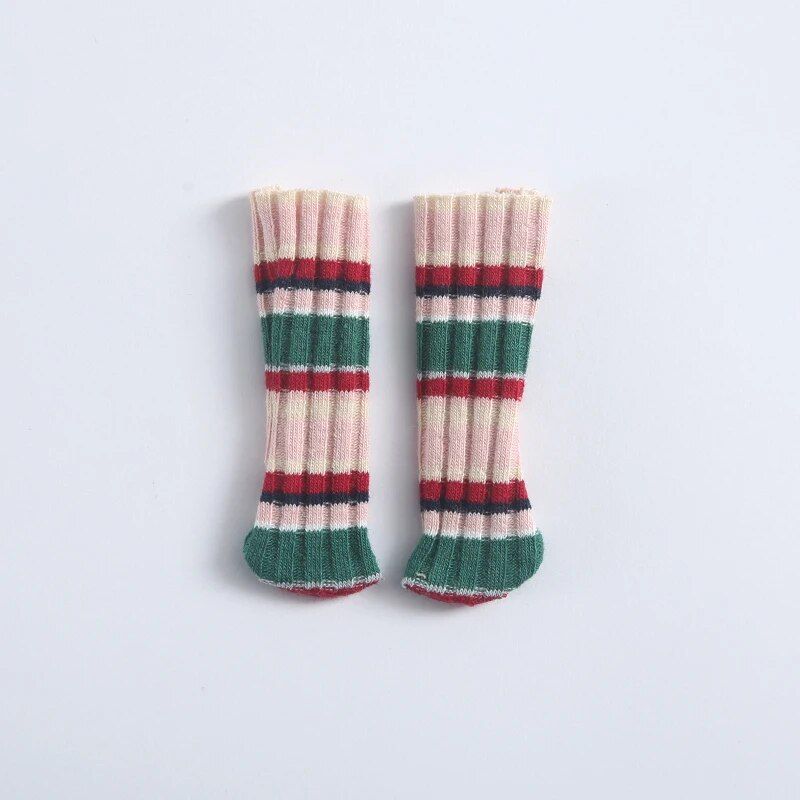
Soft, High-Quality Cloth: Made from durable, gentle fabric that stands up to frequent use in care environments while being easy for sensitive hands to grip.
-
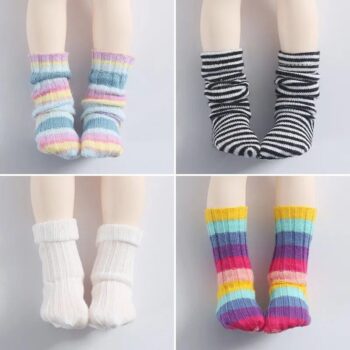
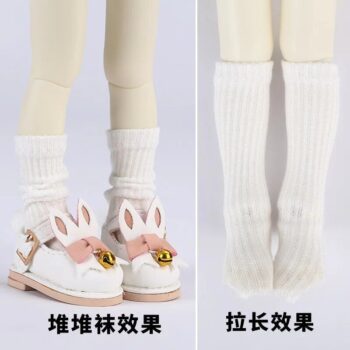
Versatile Pile Design: The flexible “slouch” style allows the user to practice different textures and folds, providing varied tactile feedback during use.
-
Dignified Activity: Provides a meaningful “chore” or task for seniors, helping to reduce boredom and agitation by focusing the mind on a helpful nurturing activity.
Why Add Socks to Your Therapy Doll Routine?
In memory care, “success loops” are vital. Managing a small, familiar item like a sock allows a person with dementia to succeed at a task they have done thousands of times in their life. Using these socks with a companion doll bridges the gap between past memories and present physical activity. It is a quiet, calming way to encourage “finger gym” exercises that protect dexterity while providing the emotional comfort of caring for a companion.
Activity Card: The “Matching & Dressing” Exercise
A simple way to encourage cognitive recall and hand dexterity.
Phase 1: Visual Recognition (Memory & Logic)
Before dressing the therapy doll, lay out several pairs of socks in a “muddled” pile.
-
The Prompt: “I’ve finished the laundry, but I’ve lost the pairs! Could you help me find the two that match so the baby’s feet stay warm?”
-
The Goal: Encourages visual discrimination (identifying patterns and colors) and provides a sense of being helpful (agency).
Phase 2: Tactile Prep (Sensory Awareness)
Once a pair is found, encourage the user to feel the fabric.
-
The Prompt: “How does that fabric feel to you? Is it stretchy? Is it soft?”
-
The Goal: Stimulates the somatosensory cortex, helping the brain process textures and preparing the fingers for the “work” of dressing.
Phase 3: The Dexterity Task (Physical Coordination)
Now, guide the user to place the socks on the therapy doll.
-
The Prompt: “It’s a bit chilly today. Let’s see if we can get these onto the doll’s feet. Would you like to do the left foot or the right foot first?”
-
The Goal: Practices the pincer grasp and bilateral coordination (using both hands together).
Phase 4: The Finishing Touch (Success Loop)
Once the socks are on, encourage the user to “style” the pile stockings (pulling them up or scrunching them down).
-
The Prompt: “That looks much better. You have a real knack for this. Doesn’t the doll look cozy now?”
-
The Goal: Provides a dopamine reward through completion and social validation, which reduces anxiety and agitation.
Caregiver Quick-Tips:
-
If they struggle: Hold the doll for them so they can use both hands for the sock.
-
If they get frustrated: Use the “Hand-over-Hand” technique—place your hand gently over theirs to guide the movement so they still feel they are completing the task.
-
Storage: Keep the socks in a small, dedicated “nursery basket” next to the therapy doll to establish a familiar routine.


Real customer reviews