






Experience the Calming Power of Nurturing
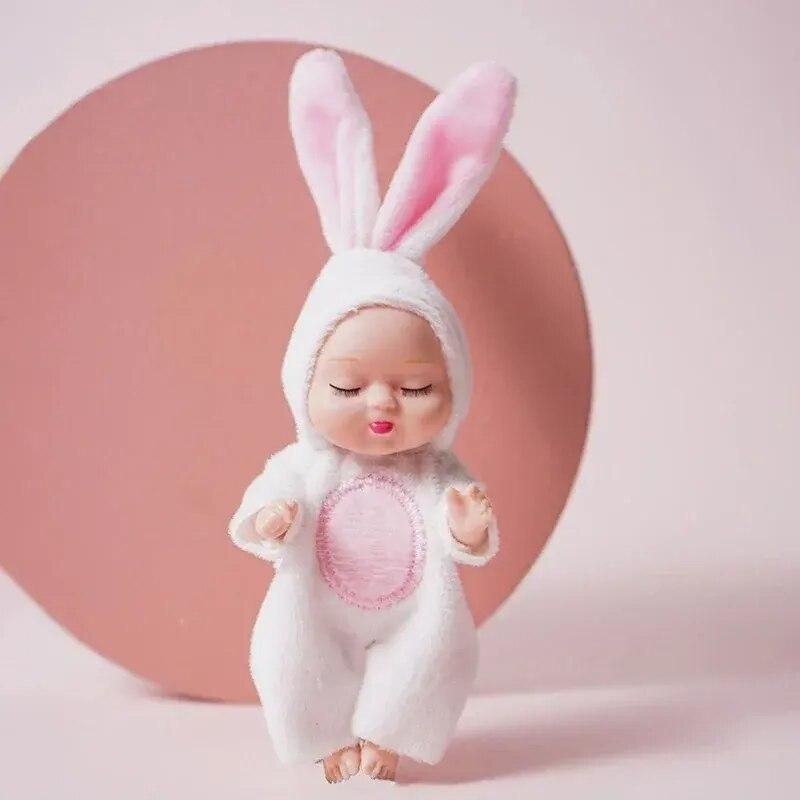
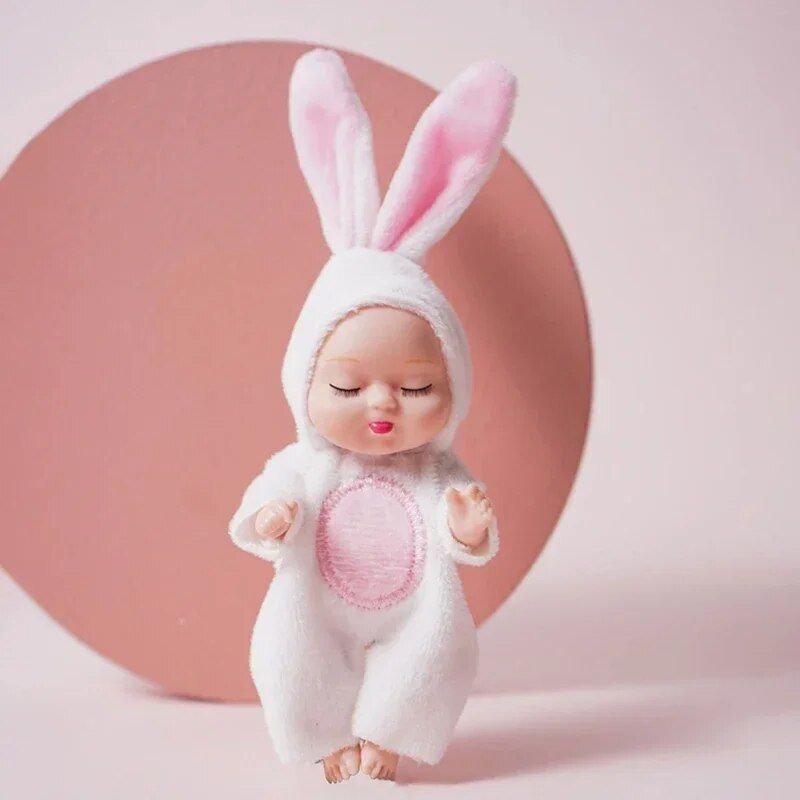
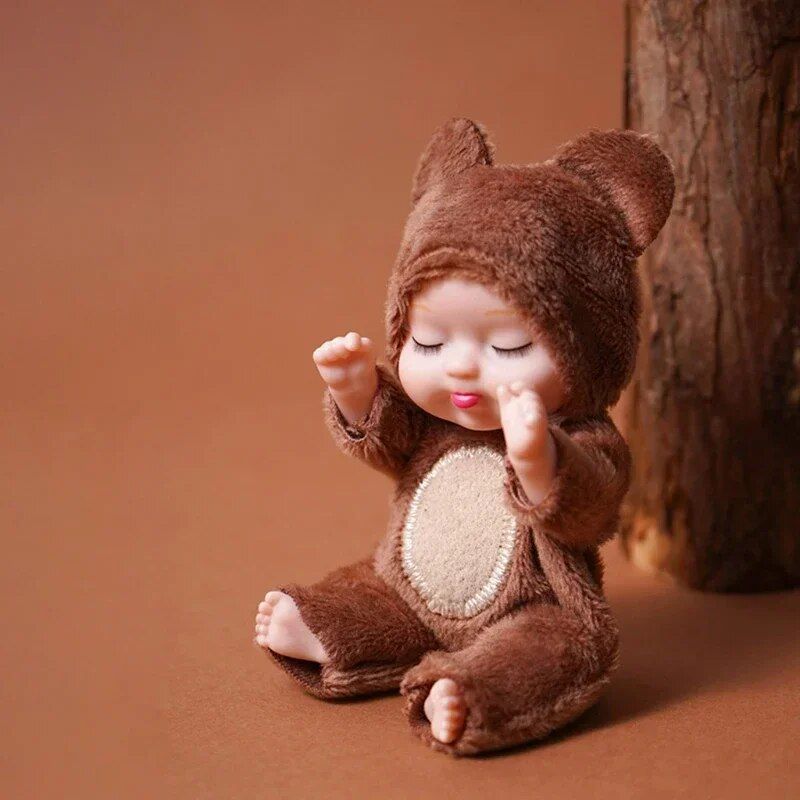
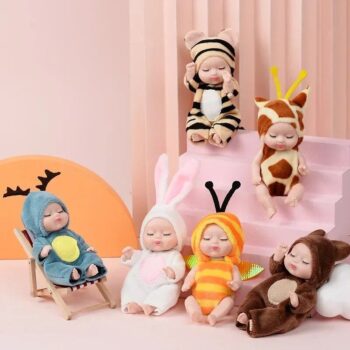
Rediscover a sense of peace and purpose with our Miniature Comfort Companion. This realistic, eyes-closed sleeping doll is specifically designed to provide a gentle, tactile experience for those living with dementia or sensory processing needs. Its lifelike features and peaceful expression offer a non-verbal way to reduce anxiety, providing a quiet friend for moments of rest or reflection.
Artisanal Quality & Tactile Realism
-
Peaceful Slumber Design: The doll features realistic, gently closed eyes and a serene facial expression, designed to evoke a feeling of tranquility and safety.
-
Premium Hand-Transplanted Hair: Crafted with high-quality imported hair that is meticulously rooted to ensure durability. It is soft to the touch and can be gently smoothed or styled, providing a soothing repetitive activity for the hands.
-
Weighted Sensory Feel: Made from a thoughtful blend of vinyl, soft cloth, and high-quality materials to provide a lifelike “tender” touch that feels substantial yet easy to hold.
-
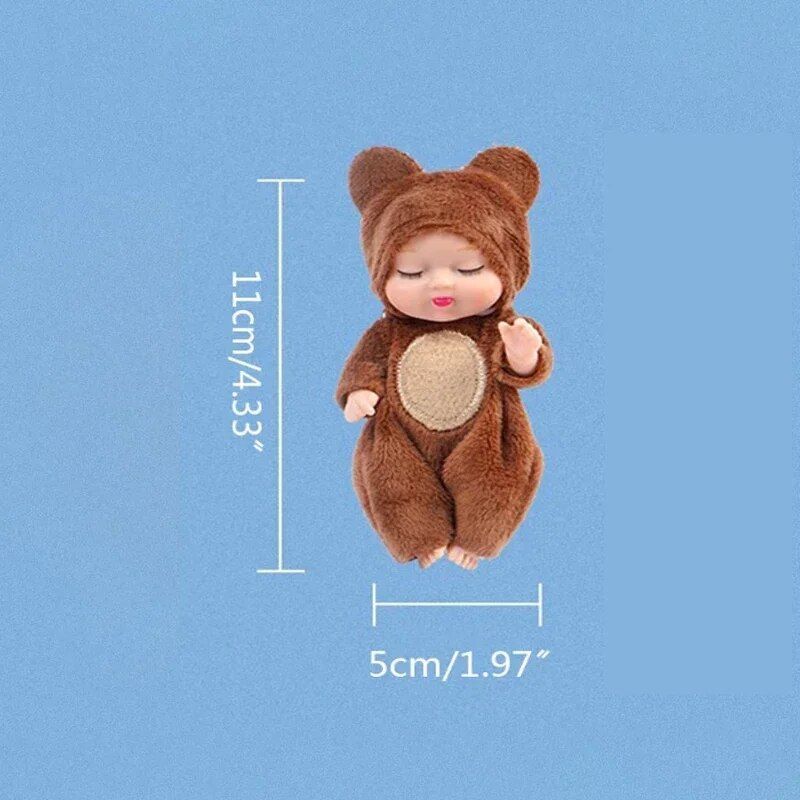
Portable “Palm-Sized” Comfort: At approximately 4.33 x 1.97 inches, this companion fits perfectly in the palm of a hand or a pocket, making it a discreet and accessible source of comfort throughout the day.
Interactive & Familiar Routine
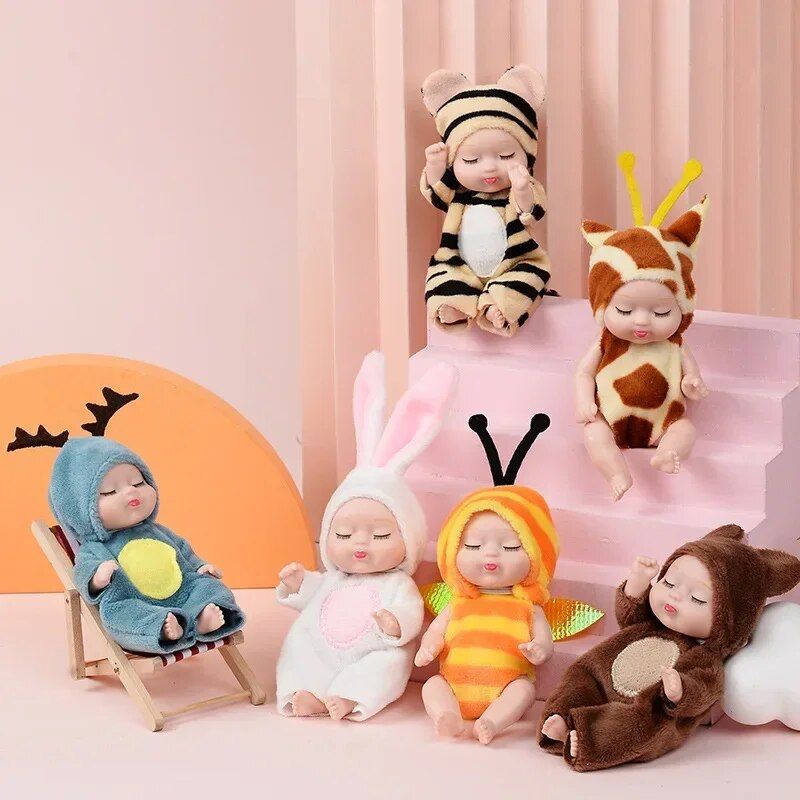
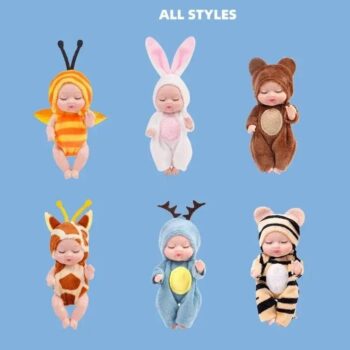
Our Comfort Companion comes dressed in a soft, custom-tailored romper. The clothing is designed to be easily removable and interchangeable, allowing users to engage in the familiar, rhythmic task of “dressing” and caretaking. This can help maintain finger dexterity and provide a rewarding sense of accomplishment.
Why Choose the Miniature Comfort Companion?
For many individuals in memory care, the act of nurturing a lifelike figure can lower cortisol levels and provide a vital emotional connection. Its compact size is ideal for those who may find larger dolls overwhelming, offering a portable “anchor” during transitions, travel, or medical appointments. It is more than an object; it is a tool for emotional regulation and a quiet spark for cherished memories of parenthood or family life.
Caregiver’s Guide: Introducing the Comfort Companion with Dignity
1. The “Helpful Observer” Approach
Instead of giving the doll to them, let them “discover” it. Place the doll on a nearby table or in a chair within their line of sight.
-
The Script: “I have this little sleeping baby here, and I’m not quite sure where to put it right now. Would you mind keeping an eye on it for me so it stays safe?”
-
The Why: This gives the individual a sense of purpose and a “job,” turning them into the caregiver rather than the patient.
2. Focus on the Sensory Details
If they pick up the doll, talk about the craftsmanship rather than “playing house.”
-
The Script: “Look at how soft the hair is on this little one. Someone must have worked very hard to make it look so real. What do you think of the material?”
-
The Why: This keeps the conversation at an adult, appreciative level regarding the quality of the item.
3. Use it as a “Bridge” to Their Own History
If the individual begins to cradle or shush the doll, use it as a prompt for reminiscence.
-
The Script: “You seem to have a very natural way of holding a baby. Did you help with your younger siblings, or do you remember when your own children were this small?”
-
The Why: It validates their lifelong skills and prompts happy memories of their role as a parent or family member.
4. Watch for “Non-Verbal” Feedback
Not everyone will want to hold the doll, and that is okay.
-
If they seem confused: Say, “It’s just a lovely little sculpture to look at,” and move it slightly further away.
-
If they seem comforted: They may want to tuck it into a pocket or keep it in their lap. Let them lead the interaction.
5. Maintaining the “Care” Routine
The interchangeable clothes are a great way to encourage fine motor skills.
-
The Strategy: Instead of telling them to “change the doll’s clothes,” say: “It’s getting a bit chilly/warm in here. Do you think we should change the baby into something else? I’m having a little trouble with the buttons—could you help me?”
Quick Tips for Success
-
Consistency: If they name the doll, use that name consistently. It helps build a sense of familiarity.
-
Hygiene: Because of the vinyl and cloth, keep a gentle, unscented wipe nearby to keep the “skin” clean, which maintains the realistic appeal.
-
The “Bedtime” Routine: If the individual becomes agitated at night (sundowning), introducing the doll as a “sleeping companion” can help cue the brain that it is time for rest.

Real customer reviews