
Enhance Daily Living Skills through Tactile Engagement
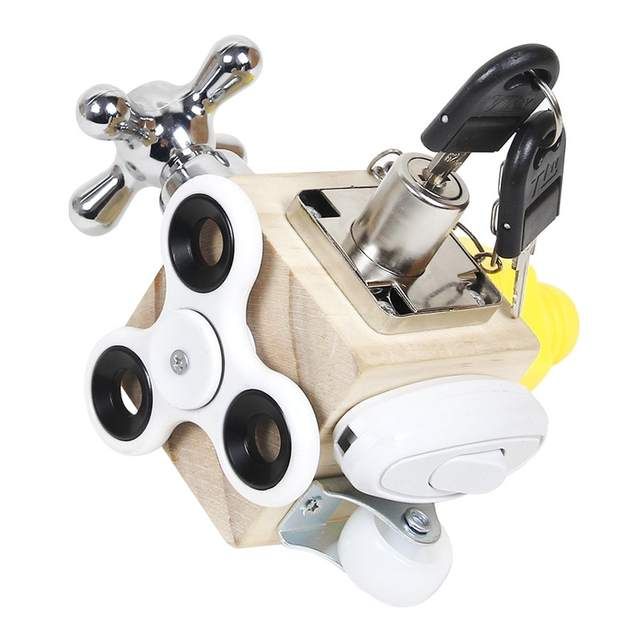
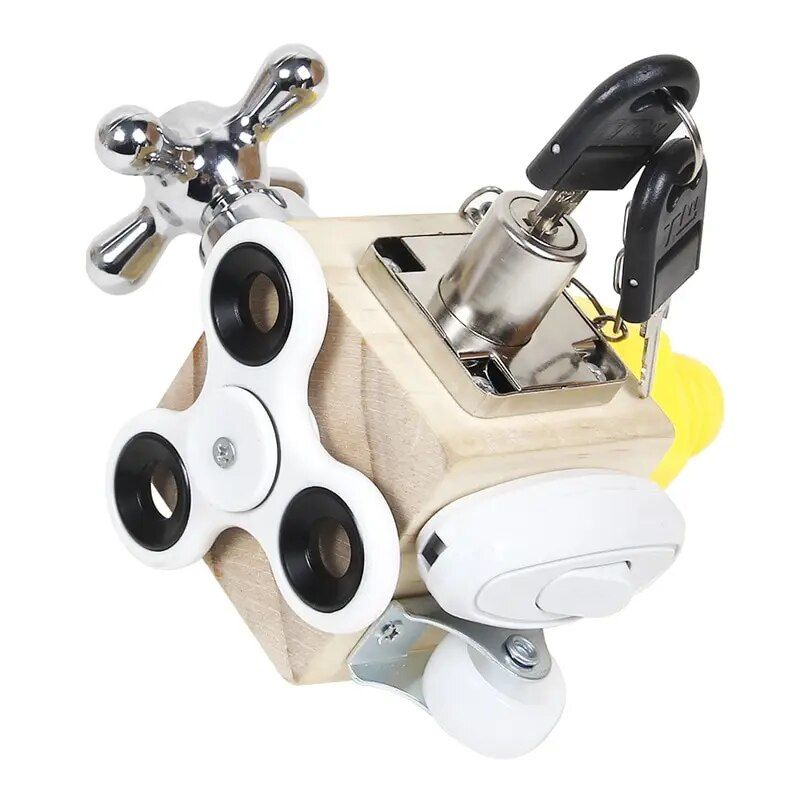
Maintain independence and hand strength with our 7-in-1 Sensory Dexterity Cube. This thoughtfully designed tool offers a dignified and calming way for individuals to engage their senses and practice the fine motor movements used in everyday life. Whether used to soothe restless hands or as a focused activity to sharpen coordination, this wooden cube provides a safe, rhythmic, and satisfying experience.
Features for Cognitive & Physical Wellness
-
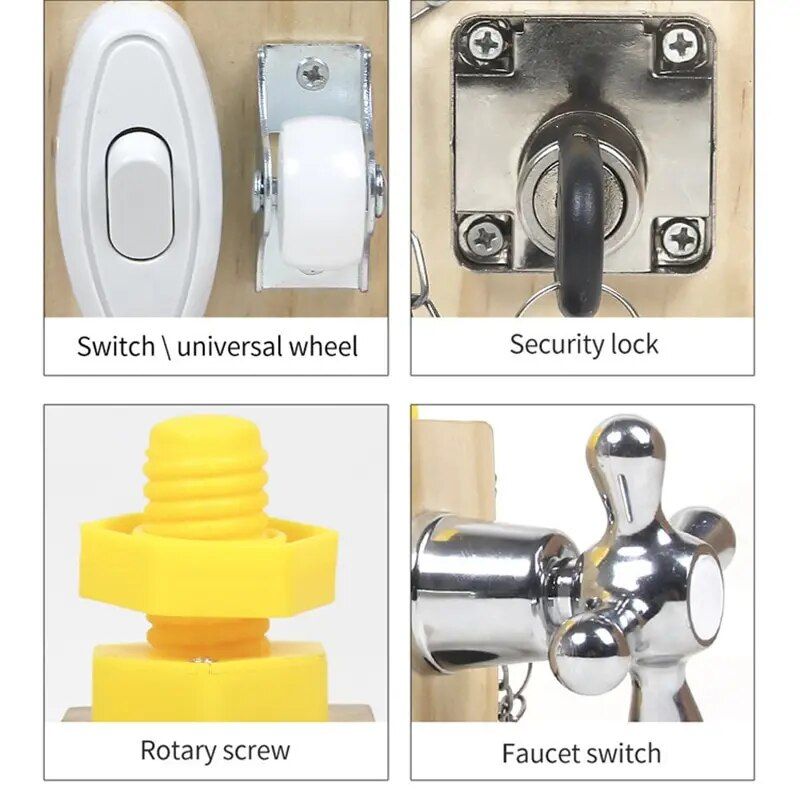
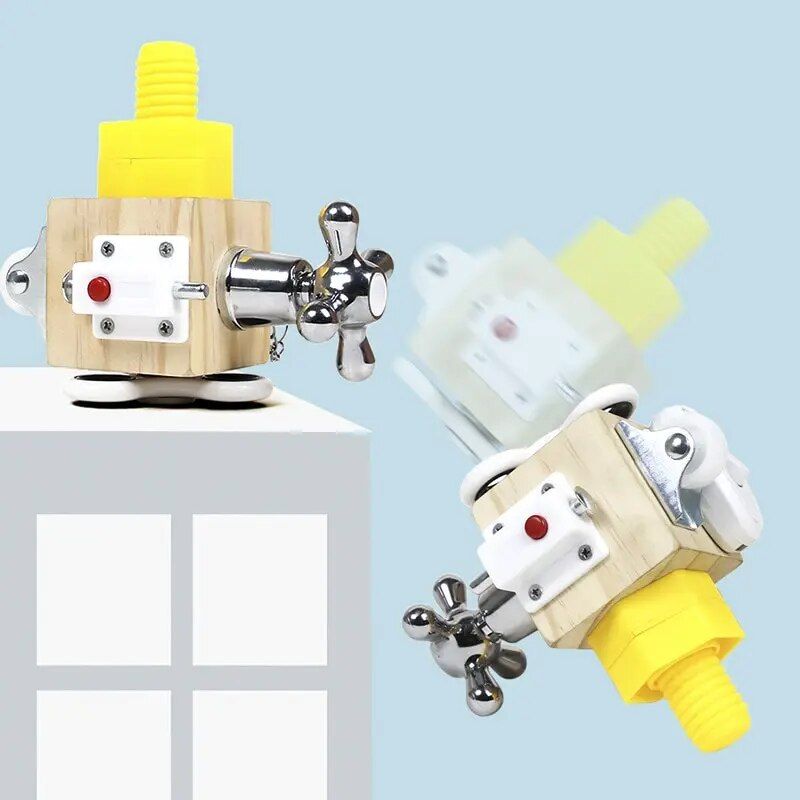
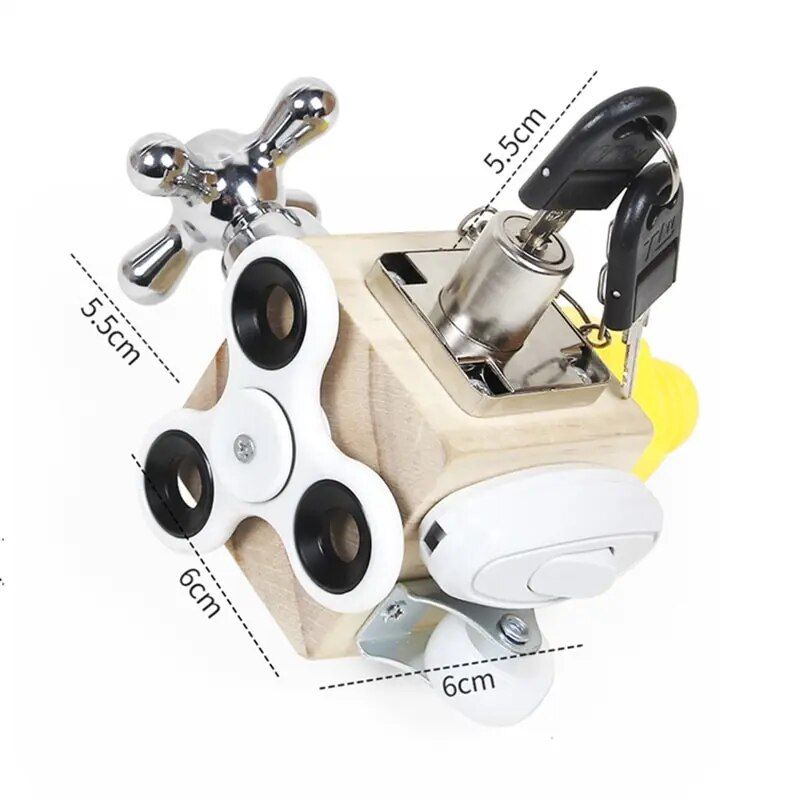
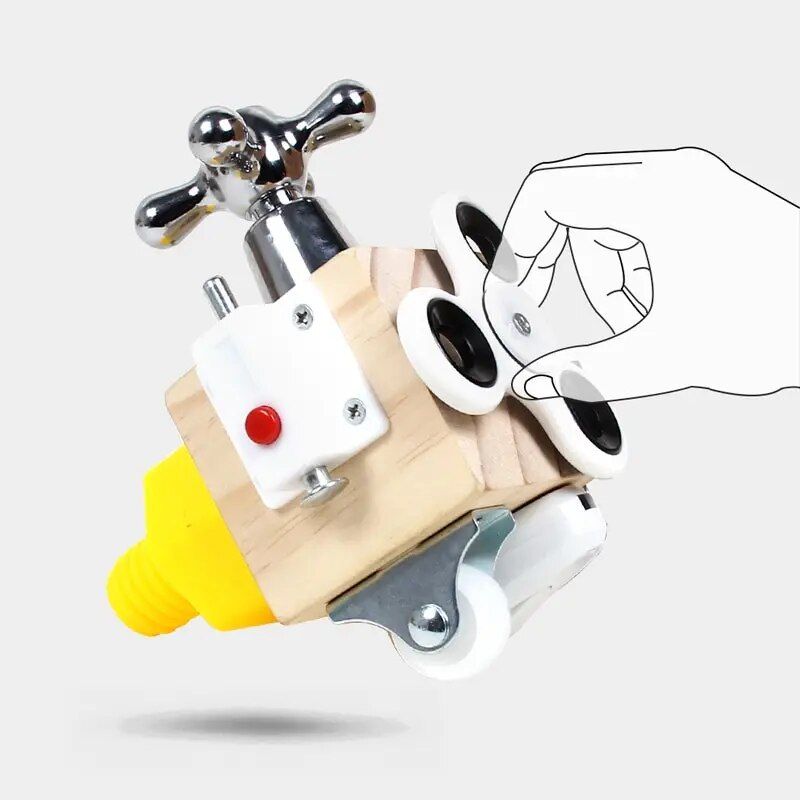
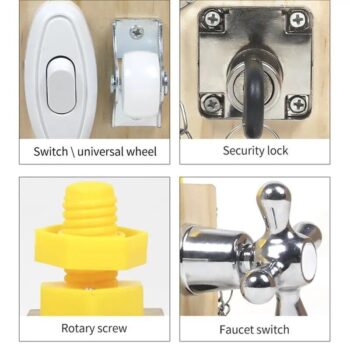
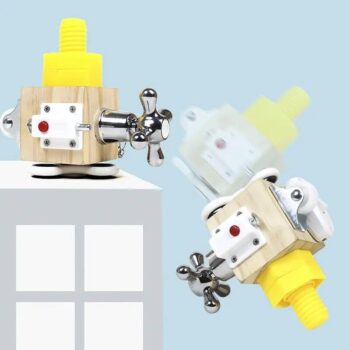
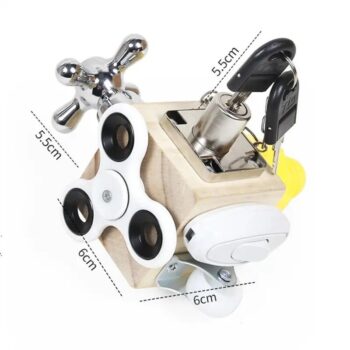
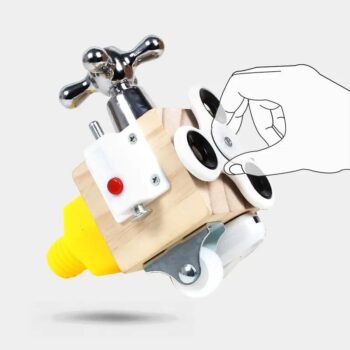
Seven Functional Textures: From a smooth Fingertip Gyroscope to a familiar Spring Bolt, each side offers a different tactile “task” that mimics real-world objects.
-
Premium Natural Craftsmanship: Handmade from high-quality, solid wood with rounded, polished edges for a comfortable and safe grip.
-
Occupational Therapy Inspired: Specifically designed to encourage hand-eye coordination and logical tactile sequencing.
-
Calming “Fidget” Outlet: Provides a productive outlet for the repetitive hand motions often associated with memory loss or anxiety, helping to reduce agitation.
-
Portable & Discreet: Compact enough to be used in a favorite armchair, during travel, or in a doctor’s waiting room to provide a sense of security and focus.
Why This Tool is Vital for Memory Care
The 7-in-1 Sensory Cube is more than an activity; it is a bridge to maintaining “muscle memory.” By interacting with familiar mechanical movements—like sliding, turning, and pressing—users can maintain the finger strength and coordination needed for tasks like buttoning a shirt or using utensils. Its inclusive design is also highly effective for those seeking sensory regulation, providing a soothing, repetitive experience that is both purposeful and comforting.
A Legacy of Quality
Built to last and easy to clean, this cube is a reliable companion for daily therapy. It respects the user’s maturity while providing the essential sensory input required to stay engaged with the world around them.
Caregiver’s Guide: Turning Sensory Play into Storytelling
1. The “Handyman or Hobbyist” Connection
The cube features mechanical elements like the Spring Bolt and Screw. These are perfect for sparking memories of home maintenance, woodworking, or DIY projects.
-
The Action: While they are sliding the bolt, ask: “Did you used to have a workbench in the garage?” or “Was there a specific project you were proud of fixing around the house?”
-
The Goal: Validating their identity as a “fixer” or “provider.”
2. The “Fidget & Focus” for Nervous Hands
The Fingertip Gyroscope (the spinning element) provides a rhythmic, repetitive motion that mimics “worry beads.”
-
The Action: If the user seems anxious or is “picking” at their clothes (a common dementia symptom), gently place the cube in their hand and start the spinner.
-
The Conversation: Keep it light and sensory-focused. “That smooth wood feels nice, doesn’t it? It reminds me of the polished furniture we used to have.”
-
The Goal: Shifting the brain from an “anxiety loop” to a “sensory loop.”
3. The “Day-to-Day Independence” Link
Items like the Locker/Hinge or Buttons mimic the small tasks we do every day without thinking.
-
The Action: As they manipulate the toggle or switch, talk about the “old days.”
-
The Conversation: “Do you remember the old-fashioned light switches we had?” or “Is that like the latch we had on the garden gate?”
-
The Goal: Maintaining the “concept” of these objects, which helps them feel more confident when they encounter real switches or latches in the home.
4. “Active Listening” Strategies
If the user begins to tell a story that doesn’t quite make sense or mixes up timelines:
-
Don’t Correct: If they say the bolt reminds them of their “spaceship,” go with it. Ask, “Where were you flying today?” * Focus on the Feeling: If they can’t find the word for “bolt,” say, “I see you’re working on that shiny part. It looks like it takes a lot of strength to move!”
5. Environmental Setup
-
The “Natural Introduction”: Leave the cube on a coffee table or a side table where they usually sit. Wait for them to notice it and pick it up.
-
The “Shared Activity”: Sit with them and ask, “Could you show me how this part works? My hands are a little tired today.” This gives them a sense of agency and helpfulness.
Quick Conversation Starters by Feature
| Cube Feature | Potential Memory Link | Question to Ask |
| Spring Bolt | Toolboxes, Gates, Sheds | “Did you prefer working with wood or metal?” |
| Fingertip Spinner | Modern Gadgets, Calmness | “Does that motion feel relaxing to you?” |
| Wooden Surface | Nature, Carpentry, Antiques | “What kind of wood do you think this is? Oak? Pine?” |
| Toggle/Switch | Home, Electricity, Control | “Was it your job to turn out the lights at night?” |


Real customer reviews