
Foster Independence Through Familiar Routines
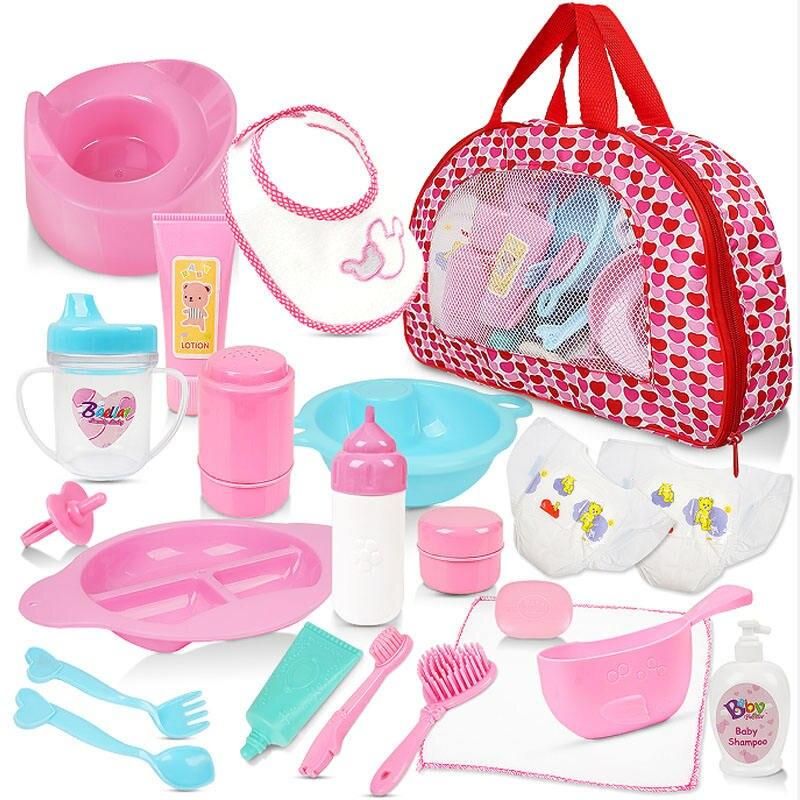
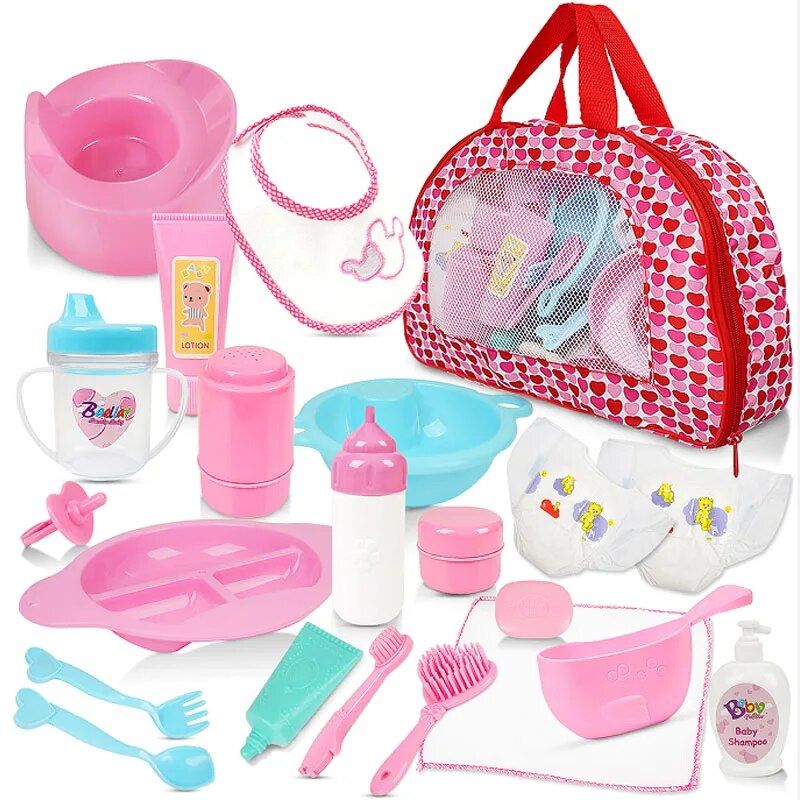
Maintain essential daily living skills with our Dignity Dining Activity Set. Designed as a functional support for doll therapy and occupational engagement, this high-quality set provides a comfortable way for individuals to practice the rhythmic motions of dining. By engaging in familiar tasks—such as setting a plate or handling a cup—users can reinforce the cognitive sequencing and hand-eye coordination necessary for independent living.
Features for Cognitive & Occupational Support
-
Durable Resin Construction: Crafted from premium, high-density resin that offers a substantial, realistic weight. Unlike thin plastics, these pieces feel grounded in the hand, providing better sensory feedback.
-
Ergonomic Design: Includes a contoured dinner plate and a “learning cup” shaped for easy gripping, ideal for practicing steady-hand motions and fine motor control.
-
Neutral & Dignified Aesthetic: The clean, professional design respects the maturity of the user, making it suitable for use in home care or professional memory care environments.
-
Cognitive Sequencing Tool: Use these pieces to encourage “step-by-step” tasks—placing the plate, arranging the cup—which helps bridge the gap between therapeutic activity and actual mealtime routines.
-
Safety First: Made from non-toxic, impact-resistant materials designed to withstand daily use while remaining easy to sanitize.
Why Incorporate Dining Tools into Memory Care?
Feeding is often one of the last skills to decline in those with memory loss, but it requires constant “practice.” This activity set serves as a low-stress way to maintain that proficiency. When used alongside a therapy doll, it allows the user to step back into a familiar role of caregiving, reducing agitation and providing a profound sense of purpose. It transforms a simple afternoon into an opportunity for success, conversation, and mental stimulation.
The Mealtime Success Guide: Transitioning Therapy to Independence
1. The “Warm-Up” Routine
About 15–20 minutes before a real meal, bring out the Dignity Dining Set. This acts as a cognitive “primer,” signaling to the brain that it is almost time to eat.
-
The Action: Ask the individual to help “set the place” for their therapy doll.
-
The Conversation: “Could you help me get the table ready? Where should the plate go so the little one can reach it?”
-
The Benefit: This wakes up the spatial awareness needed to navigate a real table setting.
2. Practicing the “Grip and Sip”
Use the resin learning cup to practice the hand-to-mouth motion without the risk of spills.
-
The Action: Encourage the user to “offer a drink” to the companion.
-
The Conversation: “You have such a steady hand. It’s important to make sure everyone stays hydrated, isn’t it?”
-
The Benefit: This reinforces the bicep and wrist muscles used for drinking, building confidence for when they hold their own glass later.
3. Cognitive Sequencing (Step-by-Step)
Dementia can make multi-step tasks (like eating) feel overwhelming. Use the set to break it down.
-
The Strategy: Use “Directing through Doing.”
-
Step 1: Place the plate.
-
Step 2: Place the cup.
-
Step 3: Use a utensil to mimic a scooping motion.
-
-
The Benefit: By practicing these steps in a low-pressure environment, the “muscle memory” takes over during the actual meal, reducing frustration.
4. Reducing “Plate Blindness”
Sometimes, people with dementia stop seeing the food on their plate due to vision changes.
-
The Strategy: Use the resin plate to practice “visual scanning.” Move the plate to different positions and ask them to find it.
-
The Benefit: Training the eyes to track the plate helps them “find” their food during dinner, which prevents them from stopping halfway through a meal because they “lost” the plate.
5. Positive Reinforcement & Agency
The most important part of this activity is the feeling of capability.
-
The Script: “You’ve done a wonderful job getting things ready. You haven’t lost your touch! Let’s keep this here so we’re ready for our lunch next.”
-
The Goal: Ending the activity on a high note ensures they approach the real meal with a “can-do” attitude rather than anxiety.
Caregiver Quick-Reference Table
| If you notice… | Use the set to… | Why? |
| Spilling drinks | Practice lifting the resin cup. | It builds wrist strength without the mess. |
| Forgetting to eat | Practice the “scooping” motion. | It triggers the physical memory of eating. |
| Agitation at the table | Introduce the plate 15 mins early. | It creates a calm, familiar “cues” for mealtime. |



Real customer reviews